

Linear Shaft
Why Choose Us
Established in 2002, Lishui Yongrun precision machinery company is located in Lishui, Zhejiang Province, China, covering an area of more than 28,000 square meters. The company has more than 200 employees, including more than 50 senior technical staff. We specialize in producing CNC Linear Stage, Motorized Linear Stage, Precision Linear Motor Stage, XY Linear Stage, Universal Linear Stage, Motorized Linear Stages, Belt Driven Linear Slide, Ball screw Rail Slide Module, and other Linear Shaft.
Wide Product Range
Our production of linear rail, ball screw, linear module, linear optical axis, linear bearings, roller needle bearings, rod end joint bearings and a series of high-precision, high-tech linear transmission products.
Wide Range of Applications
Our products are widely used in automated machinery and equipment, such as machine tools, printing machinery, chemical machinery, medical machinery, woodworking machinery and robots, etc.
Products Sell Well
We have established long-time cooperation relationships with customers from all over the world, including Asia, Europe, Africa, North America, South America and many other regions and countries, and have won customers' agreed recognition and praise!
Quality Assurance
Our many product have been granted national patents and have reached a number of international testing and certification standards.
-
Steel Chrome Cylinder Shaft
Linear Motion Shaft have high surface hardness, exceptional straightness and surface finish which
-
Hard Chrome Linear Shaft
The precision linear shafts are widely used in automatic and rotating devices. Industrial automatic
-
Hard Chromed Shaft
The advantage of linear axis is support rail on hand geared up to mount for high dimensional
-
Chromed Plated Axies
LM shaft is manufactured by using the advanced process of fine cold drawing, fine grinding and high
-
Induction Hardened Steel Shaft
Linear Motion Shaft have high surface hardness, exceptional straightness and surface finish which
-
Induction Hardened Shaft
The rest of the shaft is case-hardened, which will increase hardness and wear resistance on the
-
Cylinder Linear Rail
The precision linear shafts are widely used in automatic and rotating devices. Industrial automatic
-
Linear Shaft Rod
Welcome to our company, a leading manufacturer of high-quality CNC High Precision Linear Shaft
-
Cylinder Linear Shaft
Linear Motion Shaft have high surface hardness, exceptional straightness and surface finish which
-
Round Linear Shafting
Linear Motion Shaft have high surface hardness, exceptional straightness and surface finish which
-
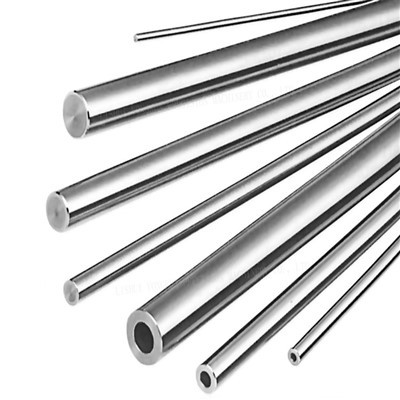
Linear Hollow Shaft
The total weight of a system is reduced by using hollow linear shafts, which have tubular, open
-
Linear Rail Rod Shaft
Linear Motion Shaft have high surface hardness, exceptional straightness and surface finish which


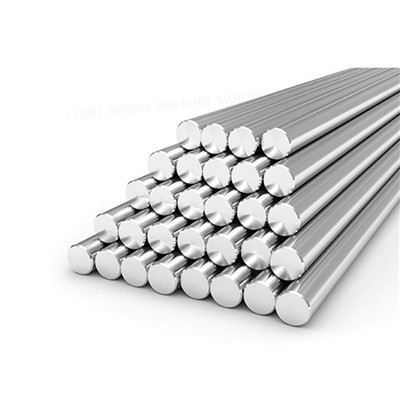

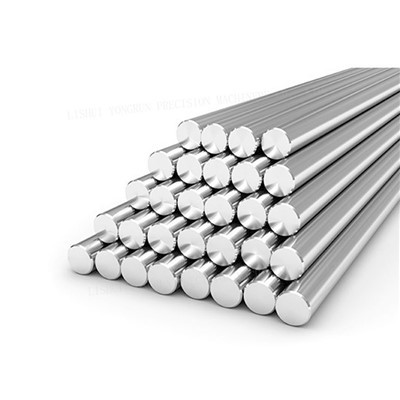
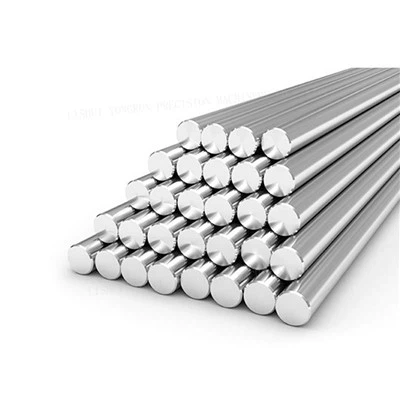
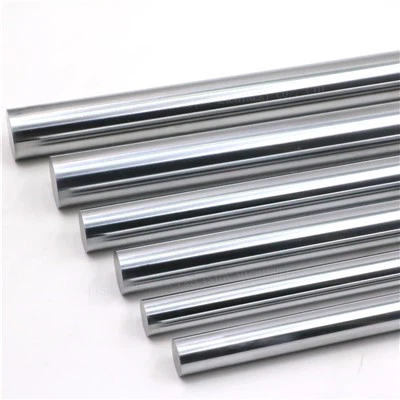
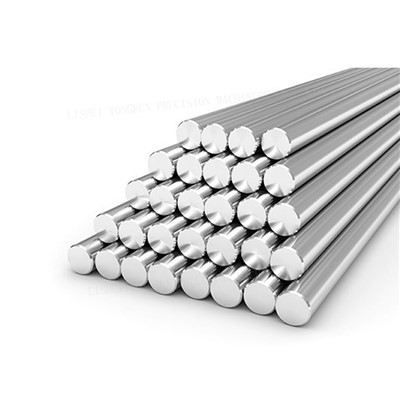
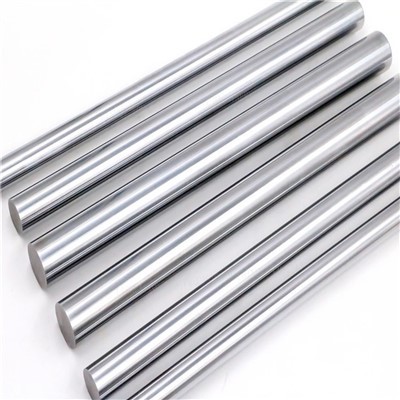

We are not only a factory, we are also the trading company, we can guarantee our price is first-hand, very cheap and competitive.
What is Linear Shaft
Linear shafts are long, rod-shaped devices that provide linear motion for different applications. Linear motion applications are found in the medical, aerospace, packaging and industrial sectors and more. A better shaft equals better performance. If you want to know the specifications and prices of Linear Shaft, please contact us!
Corrosion Resistance
Depending on the material used, linear shafts can offer excellent corrosion resistance, particularly when made from stainless steel or coated with corrosion-resistant coatings. This makes them suitable for use in harsh environments where exposure to moisture, chemicals, or extreme temperatures is a concern.
Cost-Effective
Linear shafts are often a cost-effective solution for providing linear motion compared to alternative systems such as linear guides or rails. Their simple design and ease of manufacture contribute to lower production costs, making them an attractive option for budget-conscious projects.
Easy Installation and Maintenance
Installing and maintaining linear shafts is relatively simple, requiring basic mounting and alignment procedures. Additionally, linear shafts are typically low-maintenance components, requiring minimal lubrication and upkeep over their operational lifespan.
Compatibility with Various Accessories
Linear shafts can be easily integrated with a wide range of accessories and components, such as linear bearings, support rails, couplings, and motor mounts. This compatibility allows for greater flexibility in designing and configuring linear motion systems tailored to specific application requirements.
Advantages of Linear Shaft
Straightforward Design
Linear shafts have a simple cylindrical design, typically made from materials like steel or stainless steel. This simplicity makes them easy to manufacture and integrate into different systems and machinery.
High Strength and Stiffness
Linear shafts are designed to withstand high loads and resist bending and deflection under load. This is particularly important in applications where precision and stability are required, such as in CNC machines, 3D printers, and industrial automation equipment.
Smooth Linear Motion
Linear shafts are often used in conjunction with linear bearings or bushings to facilitate smooth and precise linear motion. The combination of a linear shaft and bearings allows for low-friction movement along the axis of the shaft, enabling accurate positioning and smooth operation of machinery.
Versatility
Linear shafts are highly versatile and can be customized to meet specific application requirements in terms of length, diameter, material, and surface finish. This versatility makes them suitable for a wide range of industries and applications, including manufacturing, automotive, aerospace, robotics, and more.
Application of Linear Shaft
Material Testing
A combination of linear shafts, linear bushings, and other components were used to create a Fatigue tester. The upper portion of the workpiece holder is connected to two linear bushings that travel along the shaft, allowing for accurate and easy movement of the mechanism. This design uses hardened linear shafts to prevent deformation from occurring between the shaft and bushing while maintaining the precision necessary to properly perform the fatigue test.
Automotive Industry
The slide unit is driven by a manually operated lead screw assembly that is guided by a set of linear shafts and bushings. The linear shafts are held in place by split shaft supports that clamp onto the end of the shaft. This removes the need for machining at the shaft ends while still providing precise linear motion. In addition, the linear shafts also provide support for the loads applied to the assembly.
Vertical Application
In this application, there was no effective way to utilize linear guides since they require continuous support along the entire rail. Utilizing linear shafts allowed for more design freedom so that specialized components could be incorporated (in this particular case the linear shafts are press-fit into a metal bracket that serves several functions including shaft support). This helped reduce the total number of parts required to achieve the necessary linear motion and reduce the overall size of the mechanism.
Electronics Industry
The vertical motion of the inspection platform is achieved with a ball screw assembly. The ball screw assembly is driven by a Servo motor and guided by linear shafts. Since the inspection platform is lightweight, the moment load is minimal and inexpensive, linear shafts can be used instead of linear guides.
Smaller Electronic Components
Air cylinders are used with linear shafts and linear guides to achieve simultaneous horizontal and vertical motion. These linear shafts help displace the applied loads and improve the overall accuracy of the assembly. This is an excellent example of the versatility of linear shafts in applications where it is not possible to use linear guides.
Define Your Application Requirements
Outline your application's specific needs, including factors such as load capacity, speed, precision prerequisites, environmental conditions, and the intended role of the linear shaft within your system.
Shaft Material Considerations
Thoroughly assess the material choice for the linear shaft in line with your application's unique demands. Prioritise the most important factors, such as corrosion resistance, which stainless steel shafts offer.
Choose the correct Shaft Diameter
The required shaft diameter should be based on load magnitude, operational speed, and other application-specific variables. Ensure that the chosen diameter can adequately support the anticipated loads without undue deflection or wear.
Consider Shaft Hardness
Depending on the application's nature, you might need a shaft with specific hardness characteristics. Hardened shafts are known for their enhanced wear resistance, rendering them suitable for high-wear scenarios.
Evaluate Tolerance Class
Take into account the tolerance class associated with the shaft. Remember, a tighter tolerance class signifies heightened precision but may entail a higher cost. Opt for the tolerance class that aligns with your application's precision prerequisites.
The Right Shaft Length
Ascertain the appropriate shaft length, factoring in considerations such as travel distance and mounting requirements. The shaft's length should adequately accommodate the full stroke length as needed.
End Support Planning
Think about the support for the shaft at its ends. Depending on your application, you may need support elements such as blocks or bearings to ensure stability and minimise deflection.
Load Type Considerations
You'll need to consider the different load types that linear shafts are engineered to handle, encompassing radial, axial, or a combination thereof. Choose a shaft that corresponds to the specific load type for your application.
Budget and Cost Analysis
Factor in your budget constraints and conduct a comprehensive cost assessment of the chosen linear shaft. Strike a balanced decision that reconciles your requirements with the available budget, ensuring cost-effectiveness.
Testing and Validation
Finally, consider subjecting the selected linear shaft to testing and validation in the context of your specific application before full-scale integration. This rigorous evaluation guarantees alignment with your performance expectations.
Roundness
Shaft roundness is vital for linear applications such as spindles and guide rods where accuracy, life or precision is paramount. Roundness ensures uniform distribution of bearing loads for maximized bearing life, longer travel life and improved positional accuracy.
Round shafts can be deceiving to the eye and appear anything but round when properly evaluated using precision tracing techniques.
Surface Finish
Surface finish is a key factor affecting travel life, load levels, frictional resistance and smoothness of travel. Industry leading cataloged surface finish is of 8 Ra max. Excellent surface finish and hardness maximize the efficiency and life of linear bearings, shaft riding seals and overall visual appearance.
Straightness
Straightness is the most vital parameter to positioning accuracy for a Linear guide system.With the shaft supported at two points 0.2 times the length from the ends,the shaft is rotated and the total deviation indicated is recorded.Beware that even if a shaft is straight when it is made, handling or machining of shafting can cause the material to bend once it leaves the factory.Care to preserve or restore shaft straightness before installation may be necessary.
Cylindricity
Cylindricity is a measure of the degree of conformance of the outside surface (diameter along the length of the shaft) to a true cylinder. True conformance (high cylindricity) ensures the benefits of roundness, diameter and straightness are present over the shaft length, or working surface, and not just in a particular location. This ensures uniform distribution of bearing loads, increases load capacity in the working area of the bearing, maximizes bearing life, and increases travel life.
Taper
Taper is a component of cylindricity. In linear bearing applications, taper can cause one portion of the linear bearing to be loaded higher than the other. This can cause dramatic reduction in travel life or load capacity. As taper increases, balls go in and out of preload, causing premature wear and reduction in travel life.
Frequently Asked Questions
Q: What are linear shafts and how do they work?
They typically take the form of cylindrical rods and are commonly paired with linear Ball Bushes, bushings, or similar linear motion components to create a seamless and precise linear motion system. It's important to note that linear shafts and Ball Bushes do not transmit rotational motion. The best application for these products is direct load as the ball bushes don't tend to accept moment loads.
Linear shafts often serve as structural components to bear and transfer loads in a linear motion system. To enable linear motion, linear shafts are integrated with linear ball bushes or ceramic bushings. These linear ball bushes or ceramic bearings are affixed to the shaft, allowing it to move smoothly along its axis with minimal friction. If linear ball bushes are used the system can only be used in a linear motion. If you require some rotary motion, consider ceramic bushes.
Linear shafts allow for highly accurate positioning. Their operation is notably quiet, generating minimal vibrations, which translates to reduced energy consumption and decreased wear and tear on associated components. Typically, linear shafts receive support from two or more shaft holders or linear bearings within the machine framework and may experience torsional stress.
Linear shafts are engineered to withstand various types of loads, including axial (along the shaft's length) and radial (perpendicular to the shaft's length) loads. The load-bearing capacity depends on factors such as the material, diameter, length, surface finish of the shaft, and the support provided by the linear bearings or bushings.
The quality of linear shafts and their associated linear bushings significantly impacts the precision and smoothness of the linear motion system. High-quality components reduce friction and minimise play or backlash, ensuring precise and consistent movement.
Q: What is the difference between linear and rotary shaft?
Q: What is the best material for linear shaft?
Q: What is a linear bearing?
Q: What is a linear shaft motor?
Q: What is a rotary shaft?
Q: What is the hardness of a linear bearing shaft?
Q: Is a rotor a shaft?
Q: What is a rotor vs shaft?
Q: How to decide shaft hardness?
Q: What is the hardness of a shaft?
Q: Which shaft has more strength?
Q: How many types of shafts are there?
Q: What steel is best for a shaft?
Q: What are regular shafts?
Q: Is shaft and axle the same?
Q: Why is it called propeller shaft?
As one of the most professional linear shaft manufacturers and suppliers in China, we're featured by quality products and good service. Please rest assured to wholesale customized linear shaft at competitive price from our factory. For free sample, contact us now.
